On Mothering
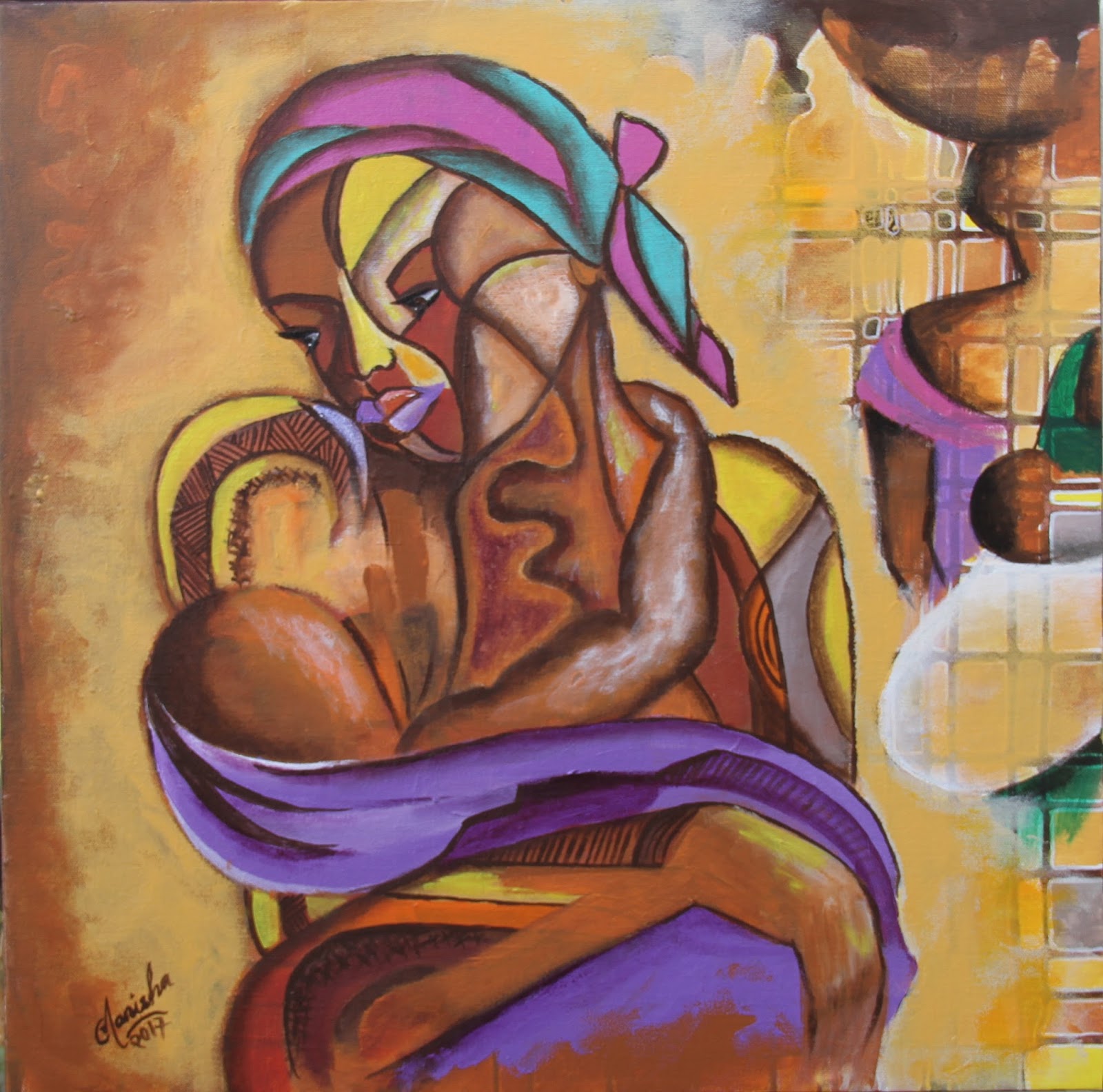
Mother’s day is the one day where mothers get undiluted attention from not just their offspring but also others around them who want to show appreciation for mothers in general. I’ve always been fascinated by the seemingly permanent bond that mothers appear to have with their offspring or the powerful attachment that people, even grown-ups, have with their mothers. By mother I mean the female parent, be it the biological mother or the mother figure. Some people may not have been raised by their biological mothers but still have a strong mother figure around so to them that is who mother is. Across many cultures mothers are held in high regard. If you want to deeply hurt someone, say or do something mean about or to their mother. You touch someone’s mother you touch them where it’s most sensitive.
I believe there is a lot of pressure on mothers though. People seem to expect mothers to be automatic experts at mothering. Mothers are expected to ‘naturally’ enjoy mothering and those who don’t tend struggle expressing that. The assumption seems to be that once one falls pregnant then it all comes together. There is also this expectation that mothers must be selfless and focus solely on the children. The mother’s own needs tend to take a back seat as soon as the children arrive. This pressure the mothers also put on themselves and may experience guilt if they do anything that may be perceived as ‘selfish’. Most mothers don’t want to be seen as bad mothers. Sadly this expectation does not stop when the children are grown, some grownups seem to still expect their mothers to be on standby in case they need some ‘mothering’. So the mothering job is one that seemingly has no expiry date.
One of the biggest complications to mothering is when one has to do it alone. We say it takes a village to raise children so when one is by themselves they struggle to fully cover all the aspects of parenting that need attention. Parenting is an everyday every moment job, which needs more than one parent to be present, so when there is no one in the house with you on a day to day basis it doesn’t matter how much external support one has there will always be a gap. Another big challenge to mothering is when one has not dealt fully with their own issues from how they were mothered. The type of mother you had will have an impact on the type of adult you become. For example, if you were raised by an overly critical mother you may struggle with authority. You could end up either rebellious towards authority or living with constant fear and not able to stand up for yourself. Some people who were raised by mothers who are not affectionate end up struggling with expressing or receiving affection. Sometimes one doesn’t even realise what mothering traumas they carry until it’s their turn to parent.
But have you ever wondered who teaches the mothers how to mother? We get told that parenting is the biggest jobs one will ever have to do but how much training is done to prepare one for this big job. If you are a mother have you ever asked yourself why you mother the way you do?
I don’t think many mothers mother consciously and deliberately. I think mothers largely pass on what they learnt and observed as children. Not many stop to think about how they actually feel about how they were mothered and whether that is how they want to mother their own children or not. They just continue the observed traditions, unless their experience of mothering was really terrible.
How you were mothered will have an impact on how you feel about yourself as a mother. If, for example, you think your mother was a ‘perfect’ mother you may react in one of two ways. You may want to do exactly what she did and hope it will have the same results. Or, you may feel not good enough to mother as greatly as she did and constantly judge yourself as a mother, making her a standard you cannot attain. Both reactions are unhealthy as they are focused on the mother who raised you instead the child in front of you.
Many mothers look at themselves and think that if they’ve turned out relatively okay then they will just continue to do the same things that their own mothers did. The flaw here is that you may overlook the unhealthy aspects of how you were mothered. And unless you mother kids who are exactly like you were in character, that mothering may not work properly for them. You were mothered a certain way in a certain time and context, which is not the same as the time and context that your own children are growing up in.
At times how you mother may be in contradiction to how you were mothered. Some people do not like how they were mothered and make deliberate effort to not be the kind of mother theirs was. And there may be valid reasons why one feels the way they do. The challenge though is that in such cases one tends to overlook even the good aspects of mothering that their own mothers showed. Again the flaw in this kind of mothering is that the focus is on their mother and not the child.
I do think that mothering gets better as the children come, which means sadly that most mistakes are made on the older children and as other children come the mother relaxes into it.
Yes mothers are flawed but I think we need to be kind to them. We forget that mothers are human beings as well, with ambitions, dreams, fears and regrets, just like everyone. Most mothers do their best under trying circumstances, not many mothers intend to harm their children. We need to forgive them. And we need to accept them as they are, knowing that most of them are too old to change and may not know how to change those harmful behaviours or even know that they need to change.
I read somewhere that ‘it’s never too late to have the childhood you wanted’. What they mean is that you can be the mother to yourself that you wish your mother was. And if you are yet to be a mother, I pray that you may do the work on dealing with your own childhood traumas so that you may be deliberate about the type of mother you want to be.
Sorry, we were unable to connect to the database server.