The True Science of Love
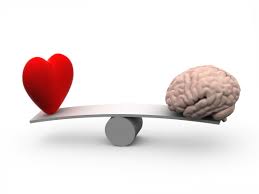
February is known as the month of romance so there is this fascination with romantic love; what it is, how to get it, how to keep it etc. It is a great time for those in the love business as people generally spend more than usual to validate this love. But what is love? Some people say it is a feeling and associate it with the heart. The heart is affectionately referred to as the seat of emotions. Others say love is more than a feeling but the thoughts one has (which lead to feelings) and so it is associated the mind. The mind is known as the seat of intelligence. Now, the battle between the heart and the mind is an ongoing battle with some people seeing the heart as irrational and impulsive whilst the mind is seen as logical and smart.
What neuroscience, the science of the brain, teaches us about emotions is that both thinking and feeling are found in the brain. The one and only role of the physical heart is to pump blood through-out the body, keeping the body filled with oxygen and alive. The heart does not disperse or manage feelings. The heart has come to be associated with feelings because when one experiences a particular emotion it affects the heart rate and therefore the rate at which the blood is flowing. For example, when one is excited or even scared, the heart beats faster sending more blood to other areas of the body, creating all the sensations that one experiences. So it makes sense why people tend to associate the heart with emotions. But it actually is the brain that determines whether one is excited or scared and then sends a message to the rest of the body, including the heart.
Now that we’ve established that emotions originate in the brain let’s look at how the brain operates. The brain has three major areas with different functions. One area houses emotions, the other houses thinking and the last one houses bodily functions such as movement or breathing. There is one brain so these all work together, they just serve different functions.
When one experiences an emotion, the emotion part of the brain sends messages to the rest of the brain and ultimately the rest of the body informing them what that emotion is. The rest of the brain and the body then respond based on their various functions. The intensity of the emotion experienced will determine how quickly the message is sent.
Sometimes the message is so urgent that other parts of the brain have no time to process it before a bodily reaction occurs. For example, when someone who is afraid of snakes sees something that looks like a snake they don’t always stop and determine (thinking part) if it really is a snake or not. They will scream, jump, run or hide and only find out later that it actually was just a stick. But by that time the heart is already beating faster, they are sweating, feeling hot, shaking etc.
The beginning stages of romance tend to have an intense flow of emotions. Accordingly, the brain is likely to minimise or even bypass the thinking part and go straight to the bodily function part. That is why the initial experience of romantic love is defined as falling. Falling in love is not rational. When one falls there is usually more feeling than thinking involved. Most people cannot logically explain why they are falling in love with a particular person. At the most they will tell you they have strong feelings but when you really press them they struggle to come up with reasons why this particular person and not another.
And there is nothing wrong with this. The initial stages of any romance are not meant to be logical. If we had to stop and rationally analyse the person we are falling in love with we would never fall in love. We would see all their flaws and the thinking brain would tell us to run away. Since there is no person without flaws this means we would constantly be running away from romantic love. As some people do. Whenever the feeling brain even suggests giving some person a romantic chance their thinking brain jumps in very quickly and shows them ALL the reasons to run away and ultimately they do.
So the romance may not make sense to those watching the two people because they are analysing it logically. When you are not the one experiencing those feelings you do not develop the emotional bond that acts as a glue holding the two together. They are said to be in a love bubble and only they know what it feels like inside that bubble.
Once the initial falling in love phase has subsided the thinking brain slowly kicks in. What one hopes for is that the thinking brain also agrees with the feeling brain on the choice of a romantic partner. If the person does not turn out to be what one initially assumed but the emotional bond is already really strong, they may not want or have the capacity to make a rational decision about the relationship. This is how people stay in abusive relationships. It is not because they do not eventually see the abuse for what it is, but the battle with the strong bond already created causes hesitation, doubt and hope for better. By the way, this emotional bond does not only happen in romantic relationships. It happens with friends and family as well. How else would you logically explain a parent running into a burning building, risking their own life, to save their child? It can only be that there was little thinking and lots of feeling.
So how do we fall in love logically and rationally (as unromantic as that sounds)? It starts with knowing yourself. Self- awareness is really key otherwise the feeling brain will just get excited over any small stimulation. This is why teenage love is so intense and yet so capricious. Teenage love is not logical because teenagers have not fully discovered who they are and so are easily swayed by emotions and sensations. And once locked in in that emotional bond it becomes difficult to show them reason.
Sadly, many adults also don’t really know who they are either and continue acting like teenagers. We really have no business getting romantically involved until we know who we are. It is unfair and selfish to bring someone into your mess when you are still trying to figure you out.
The most beautiful romantic experience one can have is when all three parts of the brain (the feeling, the thinking and the bodily function) agree and work together in harmony.
My wish for you this month of love is that you may get to experience this romantic love that involves your entire brain, at least once in your lifetime.
Sorry, we were unable to connect to the database server.